Agentic AI: The Future of Autonomous Intelligence
How next-generation AI systems think, plan, and act—beyond simple prompts
December 3, 2025
Agentic AI is transforming the way software is built—moving from chatbots to autonomous systems capable of multi-step reasoning, tool usage, and long-term planning.
Agentic AI isn’t just another trend—it is the biggest shift in software development since cloud computing.
Traditional AI models answer questions.
Agentic AI models take actions.
They can:
- plan
- reason
- execute tasks
- correct themselves
- use tools
- orchestrate workflows
- integrate with APIs
- perform long-running autonomous operations
This evolution is unlocking a new class of applications that behave much more like digital employees than chatbots.
�� What Exactly Is Agentic AI?
Agentic AI refers to AI systems built around autonomous agents—software entities that:
- Reason about complex goals
- Plan multi-step solutions
- Use tools & APIs intelligently
- Learn from feedback loops
- Execute tasks independently
Here’s a simple way to understand it:
ChatGPT answers.
Agentic AI accomplishes.
🕸 Architecture of an AI Agent
Below is a conceptual architecture diagram of an Agentic AI system:
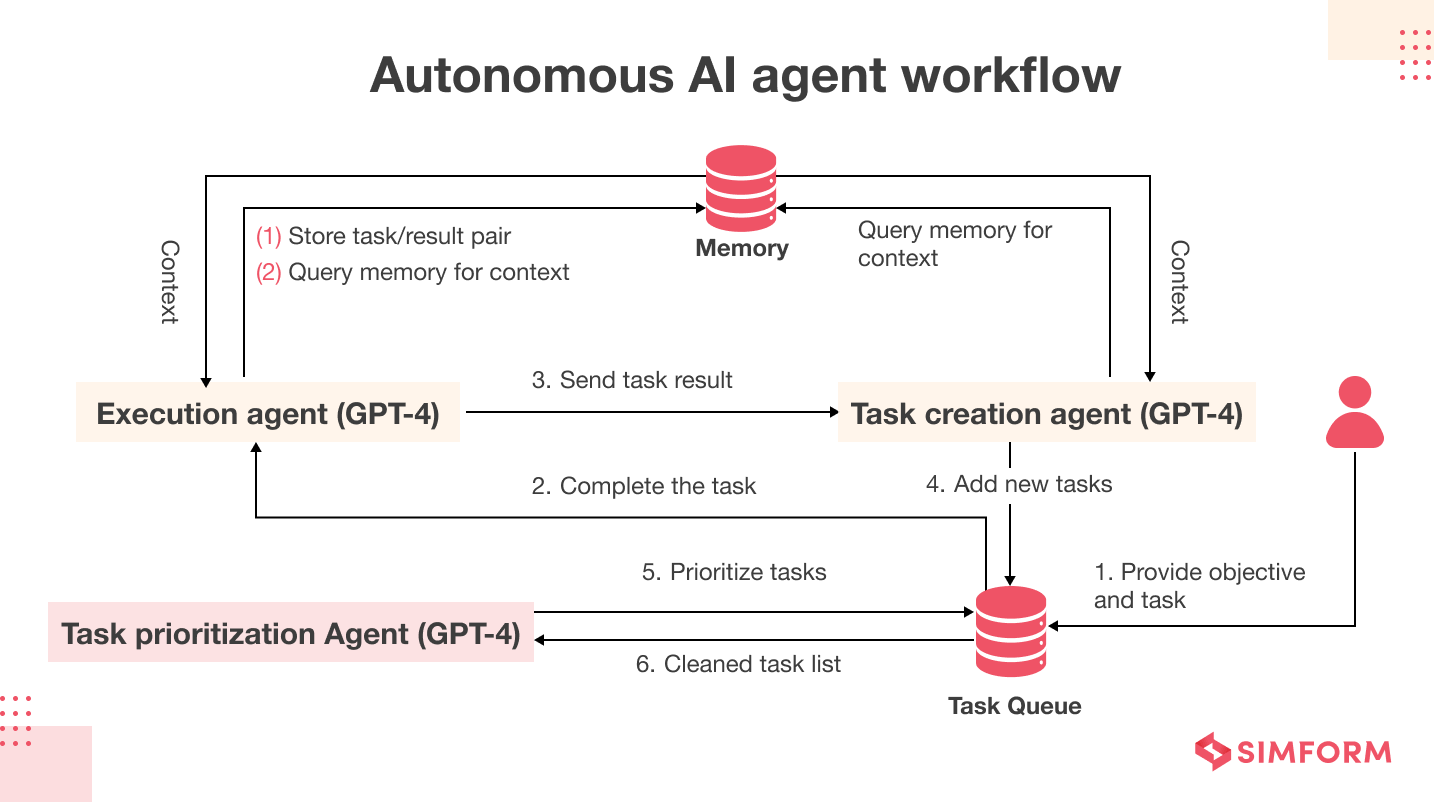
A typical agent has these layers:
1. Perception Layer
- Accepts text, documents, images, audio
- Converts raw input to structured data
2. Thought & Reasoning Layer
- Chain-of-Thought
- Tree-of-Thought
- Self-reflection and correction
3. Planning Layer
- Breaks large tasks into steps
- Determines ordering, dependencies, retries
4. Action Layer
- Executes API calls
- Runs code
- Manipulates files
- Queries databases
- Calls other agents
5. Feedback Loop
- Evaluates success/failure
- Adjusts strategy
- Re-plans if needed
This makes the agent behave like a junior engineer who can think and work independently.
🚀 Real-World Examples of Agentic AI
1. Travel Planning Agents
Upload your preferences → agent builds full itinerary.
2. Financial Research Agents
Agent pulls market data → analyzes → summarizes → invests.
3. Developer Agents
Agent reads docs → writes code → debugs → updates APIs → commits code.
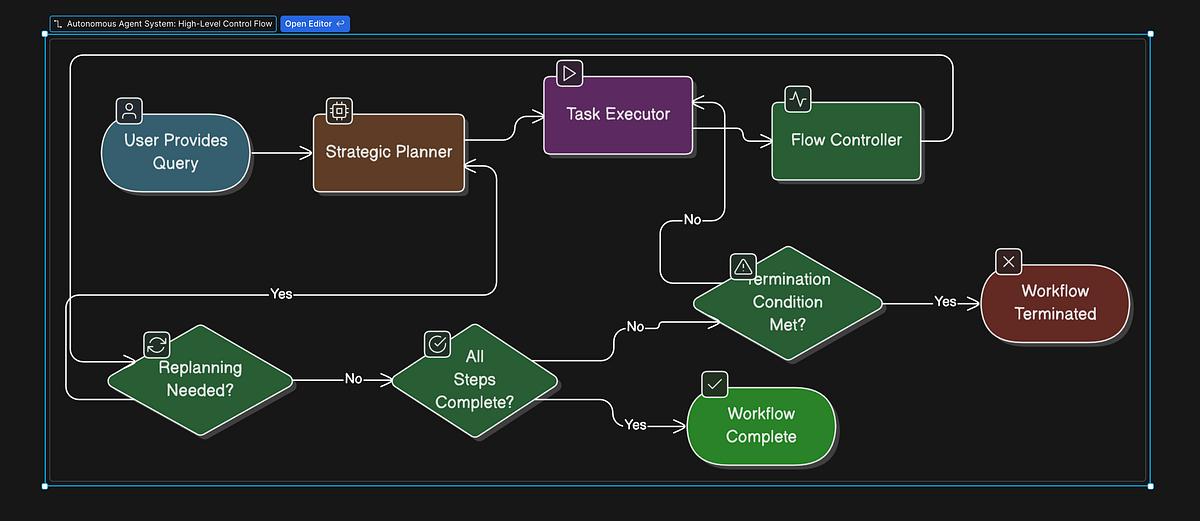
(Upload to S3 → images/dev-agent.jpg)
4. Healthcare Assistants
Agents coordinate records, schedule appointments, track medication.
5. Enterprise Workflow Automation
Agents perform:
- data extraction
- email routing
- approvals
- reporting
- CRM updates
🧩 Why Agentic AI Is More Powerful Than Traditional LLM Apps
🔹 1. Autonomy
Doesn’t need continuous human prompting.
�� 2. Tool Use
Can call APIs, databases, internal systems.
🔹 3. Long-Term Memory
Stores context, projects, and states.
🔹 4. Multi-Agent Collaboration
Different agents specialize and work together.
🔹 5. Self-Improvement
Uses feedback loops to get better over time.
🛠 Building an Agentic AI System (Step-by-Step)
Here’s a simple, high-level guide:
Step 1: Define Agent Role
“Financial analyst”, “DevOps engineer”, “Research assistant”, etc.
Step 2: Give Tools
- HTTP API caller
- Code executor
- Vector database
- File storage
- Email sender
Step 3: Add Reasoning Framework
Examples:
- ReAct (Reason + Act)
- CoT (Chain of Thought)
- ToT (Tree of Thought)
- Meta-Prompting
Step 4: Add Memory Layer
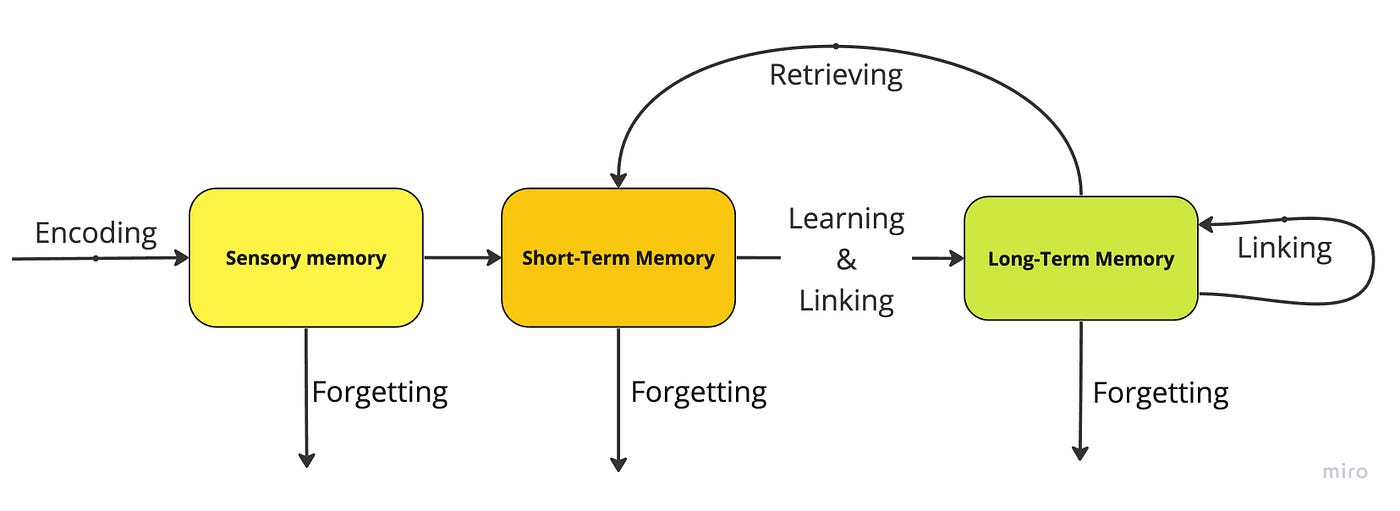
(Upload → images/agent-memory.jpg)
Includes:
- short-term memory
- long-term memory
- episodic task memory
Step 5: Add Planning + Critic Loops
Agent evaluates its own actions and corrects mistakes.
Step 6: Integrate with UI / Applications
- Web dashboard
- Mobile app
- API gateway
- Serverless backend
🌐 Multi-Agent Systems: The Next Leap
A single agent is powerful.
But multiple agents working together is transformative.
Example:
- Research Agent finds information
- Analysis Agent summarizes
- Planner Agent decides steps
- Execution Agent performs tasks
- Reviewer Agent checks correctness
This architecture mirrors real companies.
Agents collaborate like human teams.
🔮 The Future of Agentic AI
Within the next 5 years:
✔ Agents will run full business processes
✔ Agents will be embedded in every SaaS product
✔ Agents will become personal digital employees
✔ Companies will deploy internal agent ecosystems
✔ Agent–to–agent negotiations will become common
The shift will be as big as:
- cloud migration
- mobile apps
- SaaS explosion
- DevOps revolution
Agentic AI is not “coming”—it is already here.
📎 Final Thoughts
Agentic AI is ushering in a new era where software is not just reactive, but proactive:
- It plans.
- It acts.
- It learns.
- It improves.
Businesses that understand this shift early will lead the next decade of innovation.